Designers choose wide plank flooring for the same reason they choose well-proportioned furniture or considered lighting: it shapes how a space feels.
The scale suits expansive interiors. The grain draws the eye. And the material itself brings natural character to every square foot. In luxury projects, where detail and proportion matter, the floor is never just the floor, it’s part of the architecture.
At WoodCo, we specialize in premium wide-plank flooring, engineered and crafted for design professionals who demand both aesthetic clarity and structural integrity. With five generations of woodworking expertise, we help teams make confident, informed choices from first spec to final install.
This guide outlines the key decisions in specifying wide plank wood flooring for high-end residential and commercial projects, from plank width and species to finish, layout pattern, and performance requirements.

Why Choose Wide Planks for Luxury Spaces?
Wide plank flooring is defined by its scale, clarity, and natural variation. Originally favored for practicality, wide planks have become a hallmark of high-end interiors thanks to three core attributes:
1. Visual Character
Wider boards showcase the full expression of the wood—its grain, tone, and organic movement. Fewer seams mean fewer visual interruptions, allowing each plank to contribute to the overall rhythm of the space.
2. Spatial Cohesion
In open layouts, wide planks help unify the floor plane. Their proportions feel more suited to large rooms, contributing to a calmer, more intentional atmosphere underfoot.
3. Design Flexibility
Rooted in heritage, but perfectly at home in contemporary spaces, wide plank floors work across styles. Whether the project calls for restrained minimalism or rich material layering, their presence supports a long view of design.
Our Most Popular Wide & XL Planks

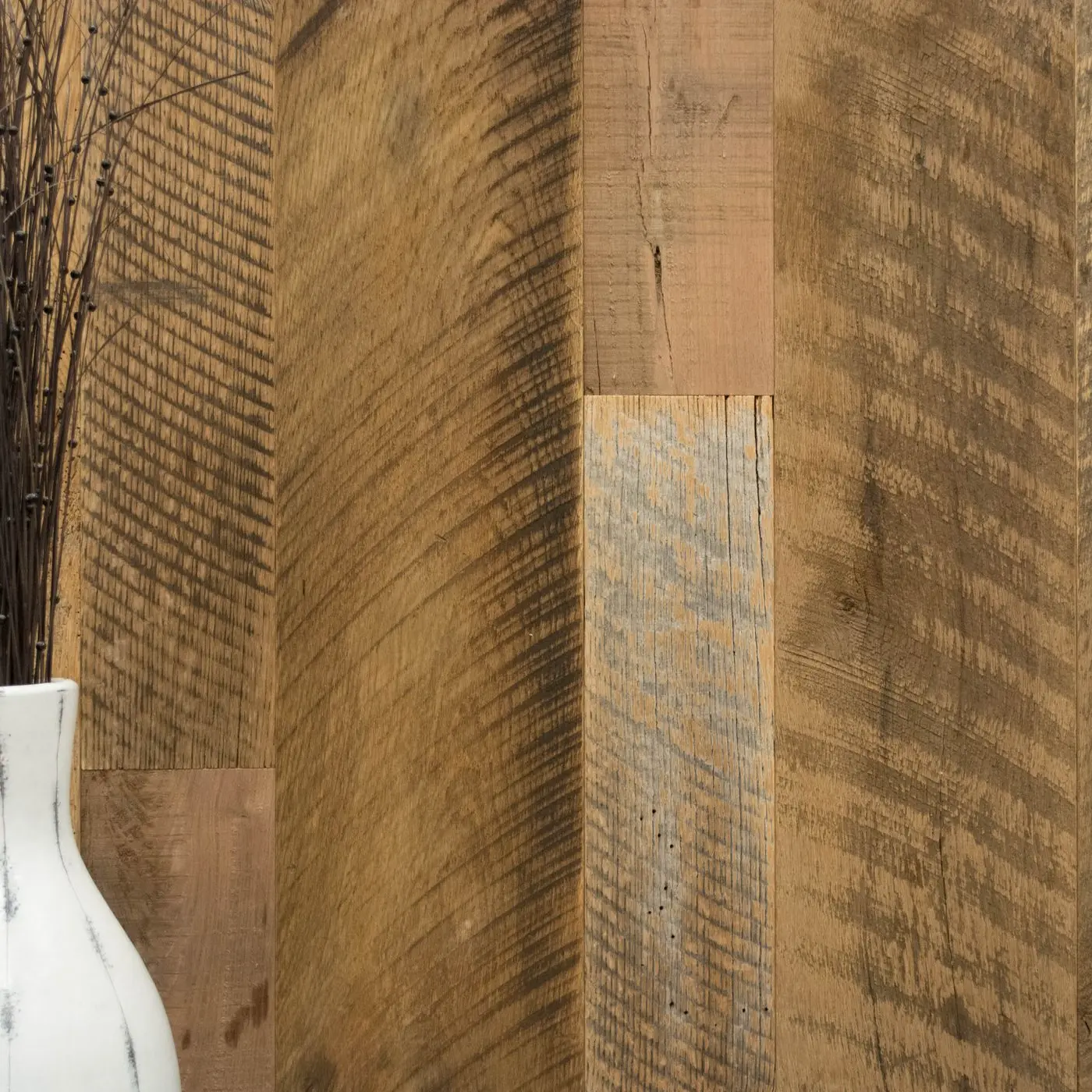
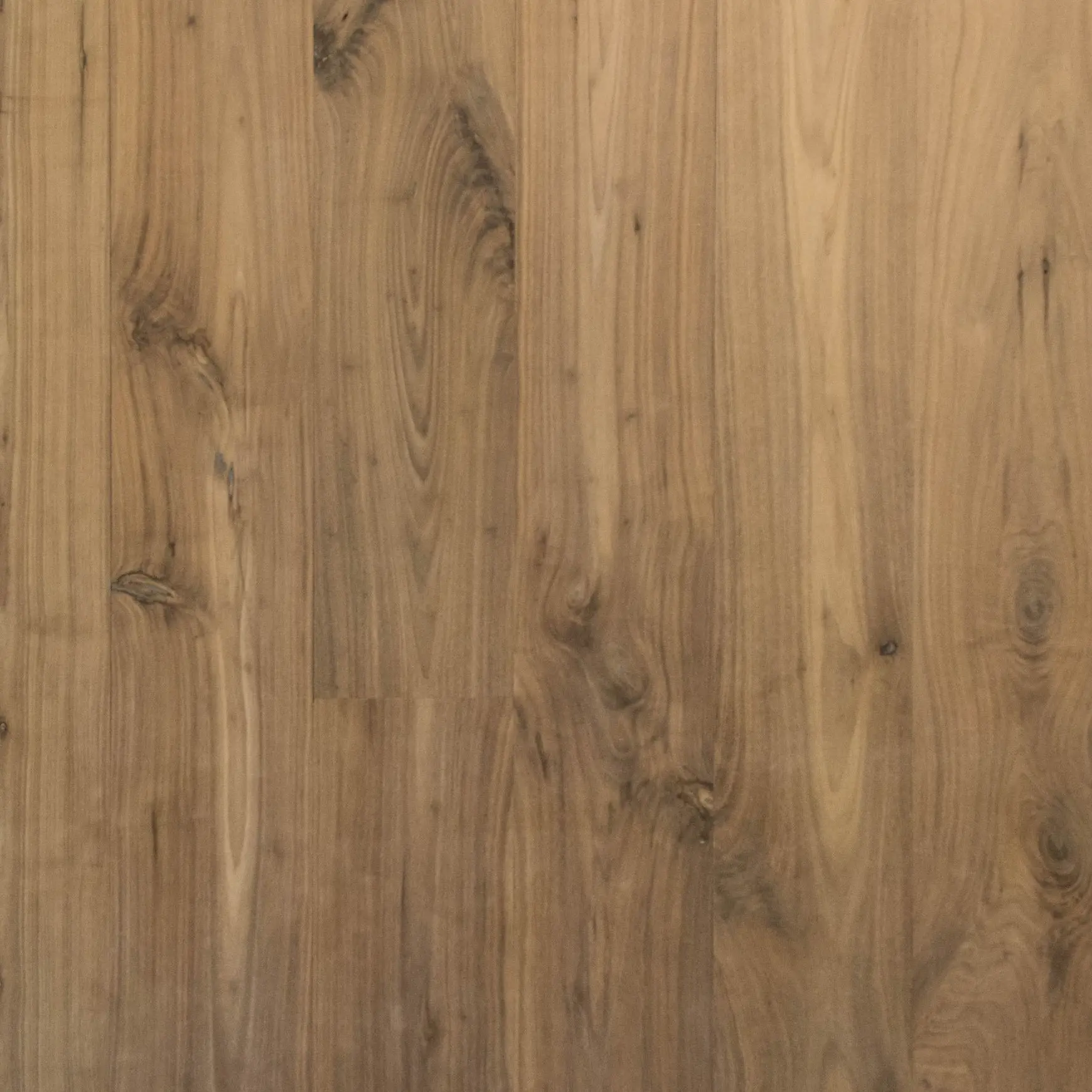
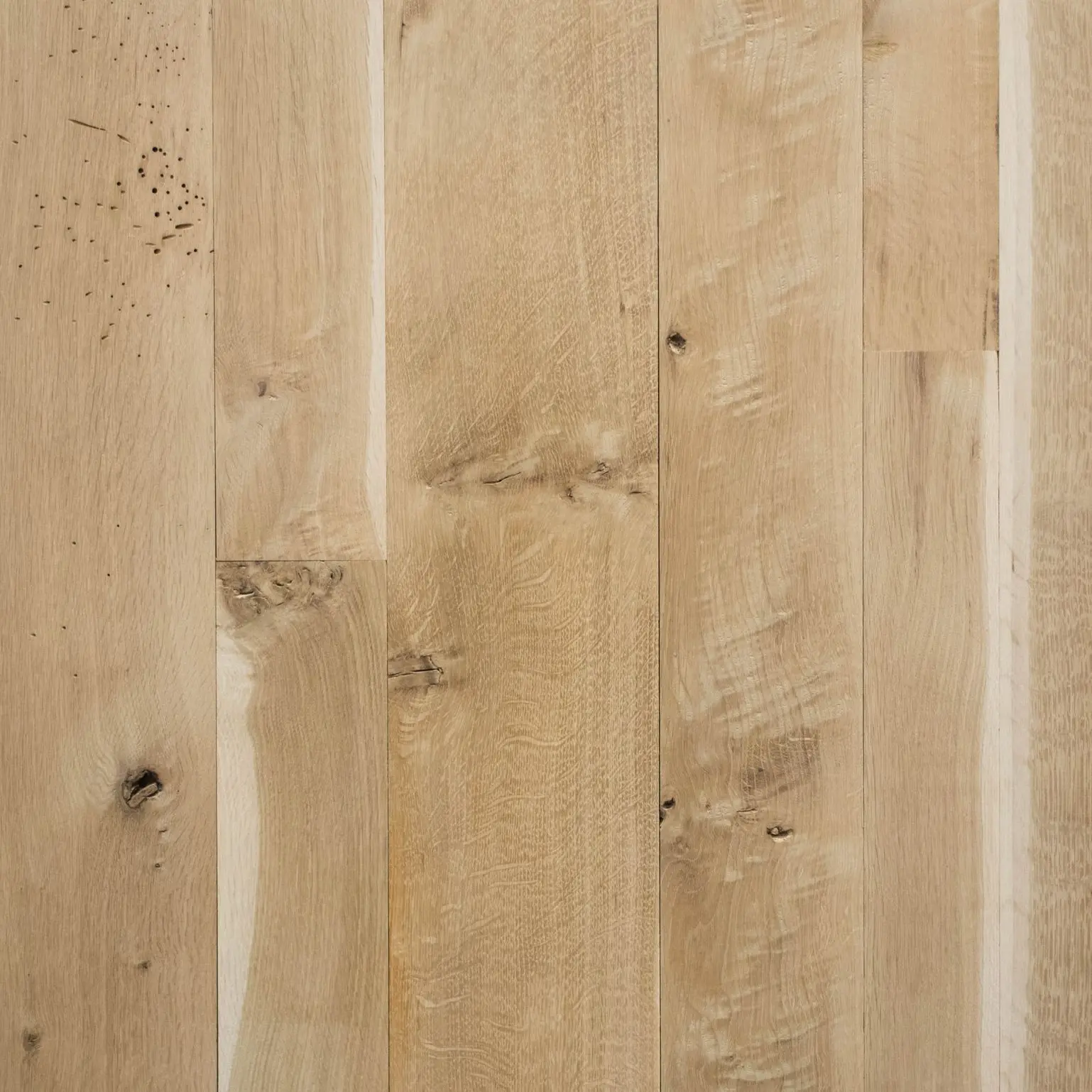
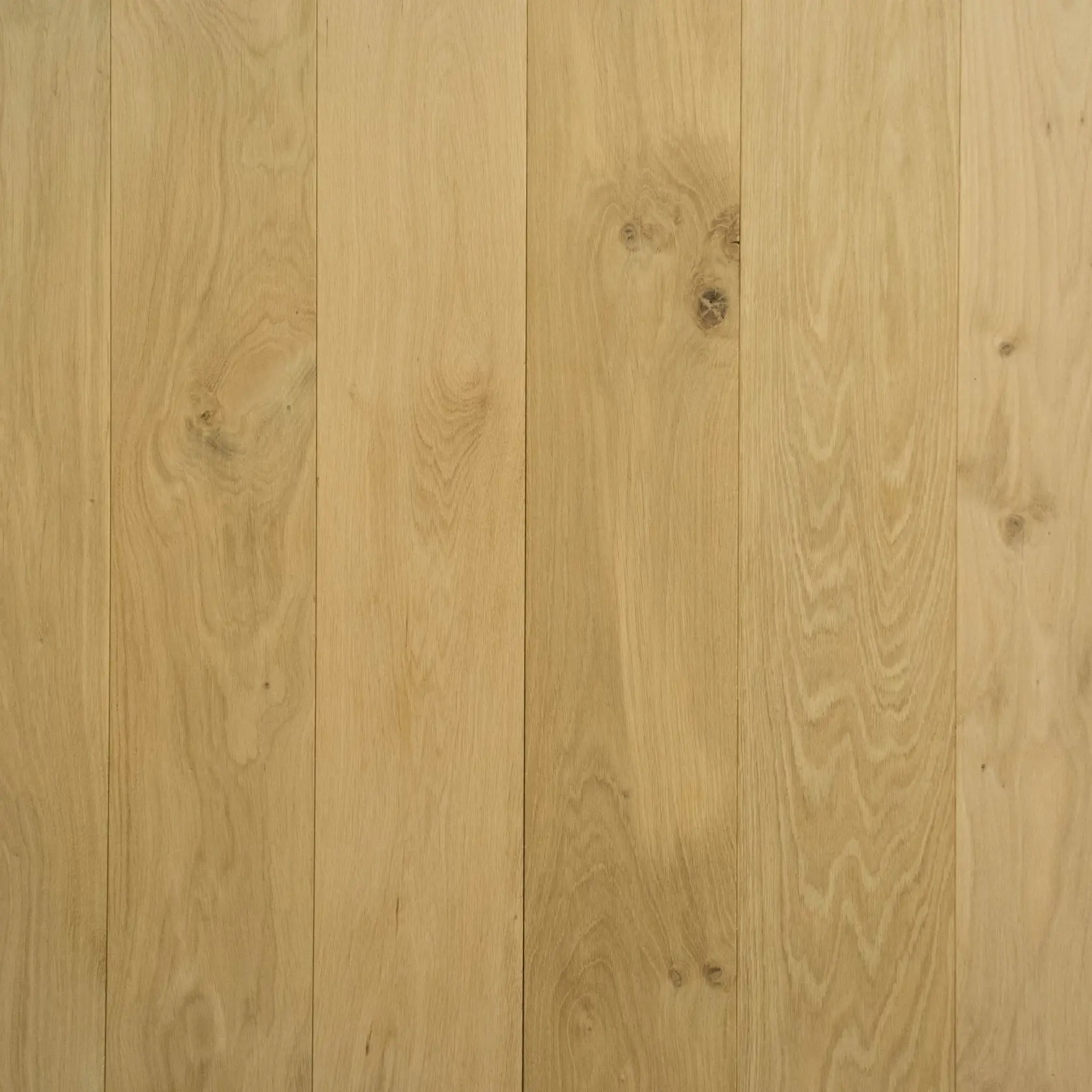
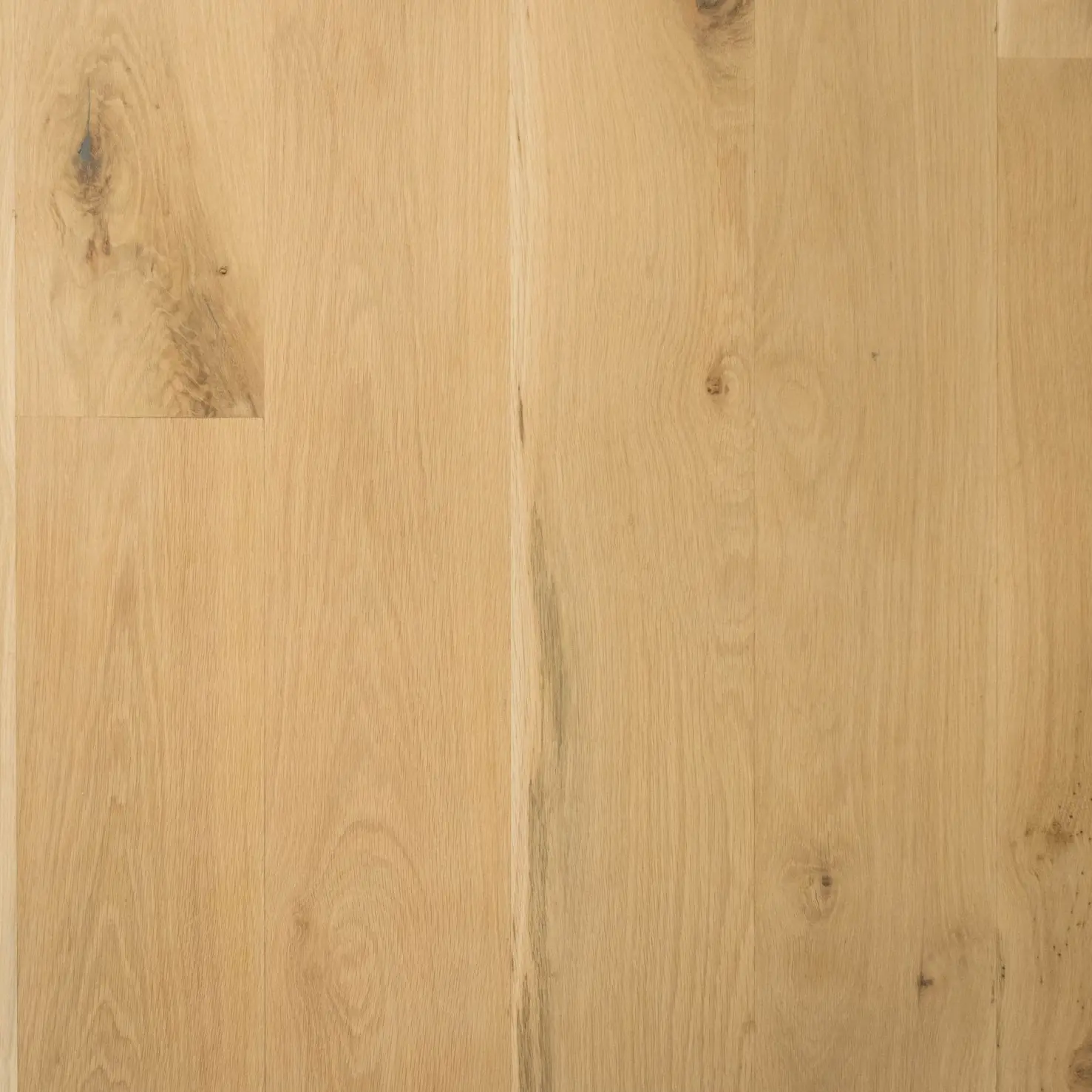
Left - Right: Edinburg Plank, Tilden Plank, Concan Plank, Hunley Plank, Collier Plank, Victoria Plank.
5 Key Decisions To Make When Specifying Wide Plank
1. Species and Grade
Every wood floor starts with a species, and the choice carries through everything from tone and texture to durability and finish. Understanding the material’s natural qualities is key to specifying the right fit for the space, especially when working with wide plank wood flooring.
White Oak
A staple in high-end interiors, white oak is favored for its neutral tone, fine grain, and structural stability. Both American and European varieties offer subtle variation, with hues ranging from pale blonde to soft brown. The closed grain resists moisture and wears evenly, making it ideal for both residential and commercial use.
In wide plank hardwood flooring, white oak offers the right balance of elegance and adaptability. It’s also one of the most trusted choices for engineered hardwood flooring, where performance is as critical as appearance.

Walnut
Walnut brings a darker, more dramatic look, with flowing grain and rich variation. Its softer surface develops a natural patina over time, adding depth and dimension to interiors that lean warm or atmospheric. Often used to create contrast in lighter-toned schemes, walnut is especially striking in prefinished wood flooring formats that highlight its tone and movement.
Reclaimed Wood
Reclaimed species like oak and pine introduce visible age, weathering, and provenance. Each plank is unique, often with nail holes, knots, and irregularities that tell a story. For designers focused on sustainability or character-driven spaces, reclaimed wide plank flooring brings authenticity that can’t be replicated.

Choosing the Right Grade
Wood grade determines the floor’s overall tone and visual consistency.
- Select grade offers a smooth, uniform appearance with minimal knots, ideal for contemporary or minimalist designs.
- Character or natural grade includes more knots, grain variation, and color shifts. It’s often used to add texture, informality, or warmth to a project.
2. Plank Width and Length
Most wide plank wood flooring starts at 5 inches, with common formats ranging from 7 to 12 inches. Extra-wide options can extend to 15 inches or more. The broader the plank, the more surface it covers, and the more expressive the grain becomes.
Standard lengths range from 2 to 10 feet, though some products exceed 18 feet. Longer boards reduce seams and elevate visual flow, especially in open interiors where fewer breaks in the floorplane help emphasize scale and cohesion.

Truly long, wide planks – particularly in select grades – require mature, slow-grown trees. That makes them harder to source and more selective to manufacture, which contributes to their premium positioning.
Engineered hardwood flooring offers greater dimensional flexibility, allowing for longer and wider boards without compromising stability. Solid wood planks, by contrast, are often limited in length to prevent movement or warping.
Some projects benefit from random-width installations, which create a more organic, crafted look. Others require uniform widths for precision and repetition. The choice depends on the scale of the room, the sightlines, and the design intent.
3. Construction Type: Solid vs. Engineered
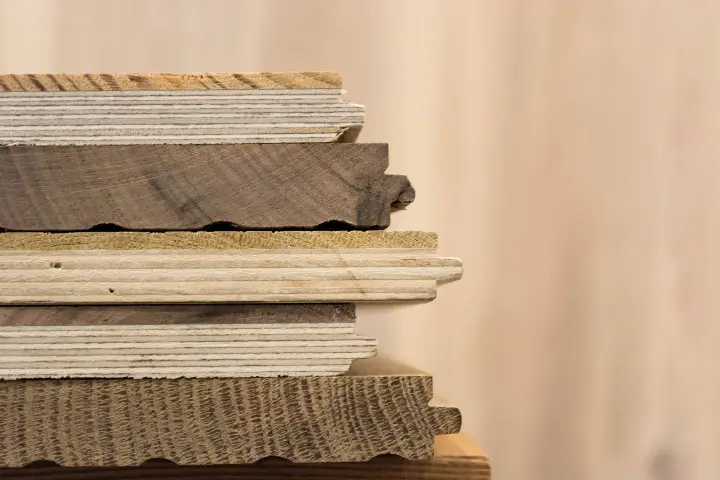
Specifying the right construction type depends on where and how the flooring will be used. Both solid and engineered planks are made with real wood, but their performance differs based on conditions.
Solid hardwood is milled from a single piece of lumber. It’s ideal for environments with stable humidity and traditional wood subfloors. It can be sanded and refinished multiple times, making it a long-term investment – particularly in heritage-style builds or upper levels of residential projects.
Engineered hardwood flooring combines a real wood wear layer with a stable, multi-layer core. This construction resists movement from moisture or temperature changes, making it well suited to concrete slabs, radiant heating systems, and homes in variable climates. It’s also the preferred choice when specifying wide plank wood flooring, since it allows for greater width and length without compromising stability.
For most modern builds – especially those with radiant heat or expansive floor plans – engineered wide plank flooring delivers the look of solid wood with better technical performance.
4. Finish and Pattern Options
Finish and pattern both influence how a wood floor feels underfoot and reads within a space. Together, they shape texture, movement, and tone, making them essential considerations in early specification.
Finish Options
The finish on hardwood flooring defines the visual texture and how it interacts with light. Matte and satin finishes are most commonly used in high-end projects for their understated elegance and ability to diffuse light softly across the surface.
Textured finishes like wire-brushed or hand-scraped add tactile dimension while helping to minimize the appearance of wear. These are particularly useful in high-traffic areas or in spaces where a more grounded aesthetic is desired.
Prefinished wood flooring provides consistent finish quality and faster installation, which can streamline timelines and reduce onsite labor. Unfinished flooring gives designers full control over color and sheen – ideal when matching existing millwork or achieving a specific, nuanced tone.
Pattern Layouts
Pattern adds hierarchy – used selectively, it can anchor a space or highlight key areas without interrupting material continuity. Some timeless styles are:
- Straight lay emphasizes scale and directionality, creating long, continuous sightlines.
- Herringbone introduces order and movement—often used in entryways, galleries, or rooms where a sense of heritage or structure is desired.
- Chevron builds on that formality with angled precision, ideal for symmetrical or architecturally focused interiors.

These pattern layouts require detailed planning and skilled installation but bring a distinctive architectural quality that elevates the final result.
Why Custom Specification Pays Off
Luxury projects don’t thrive on off-the-shelf materials. Custom specification means choosing plank widths, lengths, finishes, and even surface treatments that align with the project vision.
WoodCo supports full customization, from European oak in variable-width boards to FSC-certified American species in extra-long lengths. Every order is made to spec, with expert guidance available from the first conversation to post-install support. That means fewer compromises. And better floors.

Specifying Wide Plank: FAQs
What’s the ideal plank width for modern interiors?
Most modern interiors use wide plank wood flooring in the 7" to 10" range. This width offers a clean, open look that works well with minimalist layouts and long sightlines.
Is engineered wood flooring suitable for radiant heating?
Yes. Engineered hardwood flooring is a smart choice for radiant heat systems. Its layered construction helps it withstand changes in temperature and humidity.
What are the benefits of prefinished vs. unfinished flooring?
Prefinished wood flooring is factory-finished, which means faster installation, less mess, and a consistent look. Unfinished flooring is sanded and finished on-site, allowing for more customization but requiring longer install time and careful jobsite conditions.

Elegant by Design
Every detail in a luxury project carries weight – especially the floor. Wide-plank wood needs to be specified with precision, matched to the scale of the space, and finished to the level of the design.
WoodCo supports that process from start to finish. We help design teams define the right species, grade, finish, and format, backed by five generations of wood expertise and a commitment to getting every detail right. Contact our expert team today to discuss your requirements.