When selecting wood flooring for a project, laminate and engineered wood are often considered side by side.
Both are designed to achieve the look of natural hardwood, but they’re built in fundamentally different ways. That difference carries through into how the floor performs – how it wears, how it responds to its environment, and how well it holds its appearance over time.
The decision isn’t just visual. It’s about choosing a material that fits the demands of the space, both at installation and years down the line.
At WoodCo, we’ve spent decades working with wood across a wide range of residential and commercial projects. This guide outlines the key differences between laminate and engineered wood flooring, so you can make a more informed decision.
Let’s start with some straightforward answers.
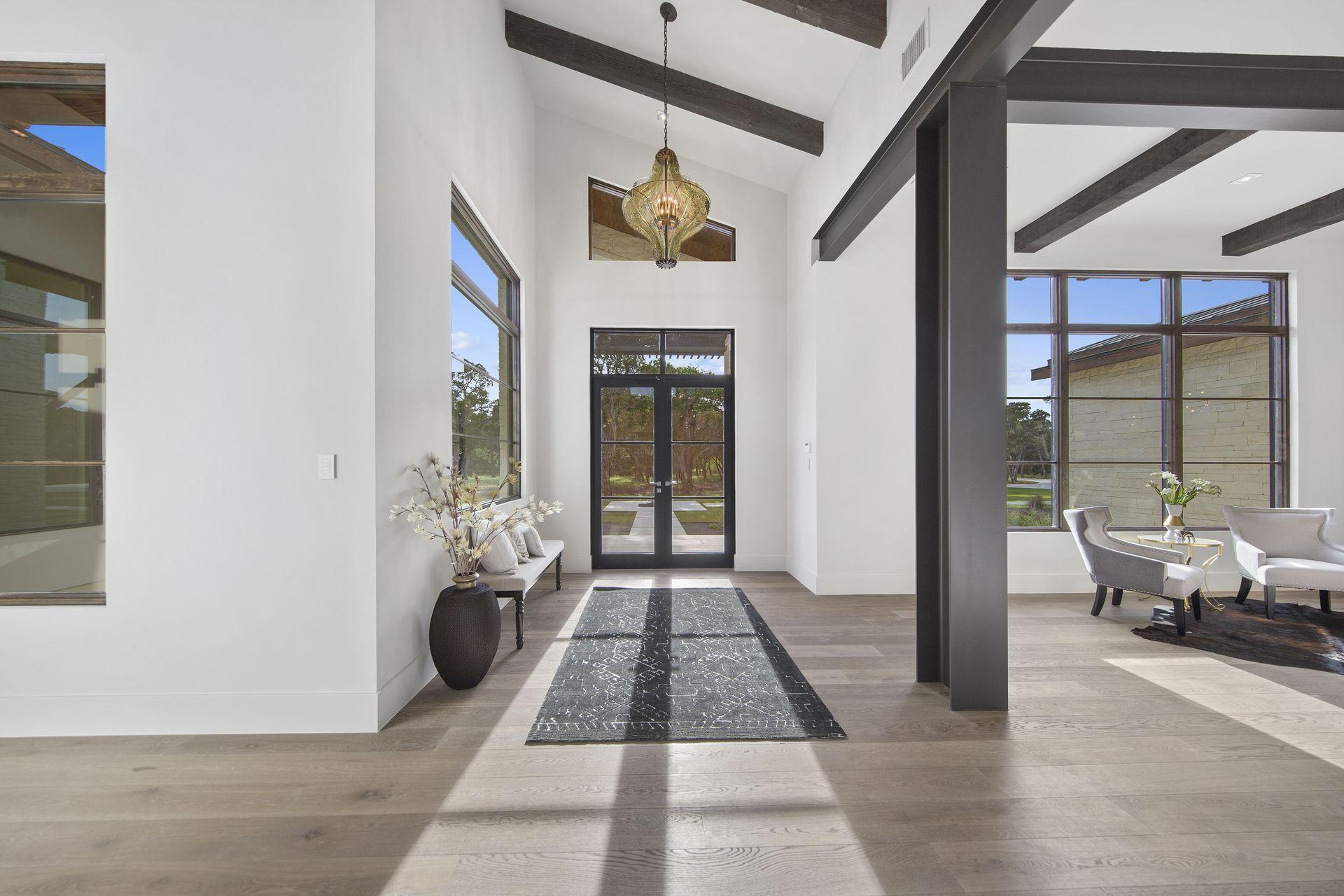
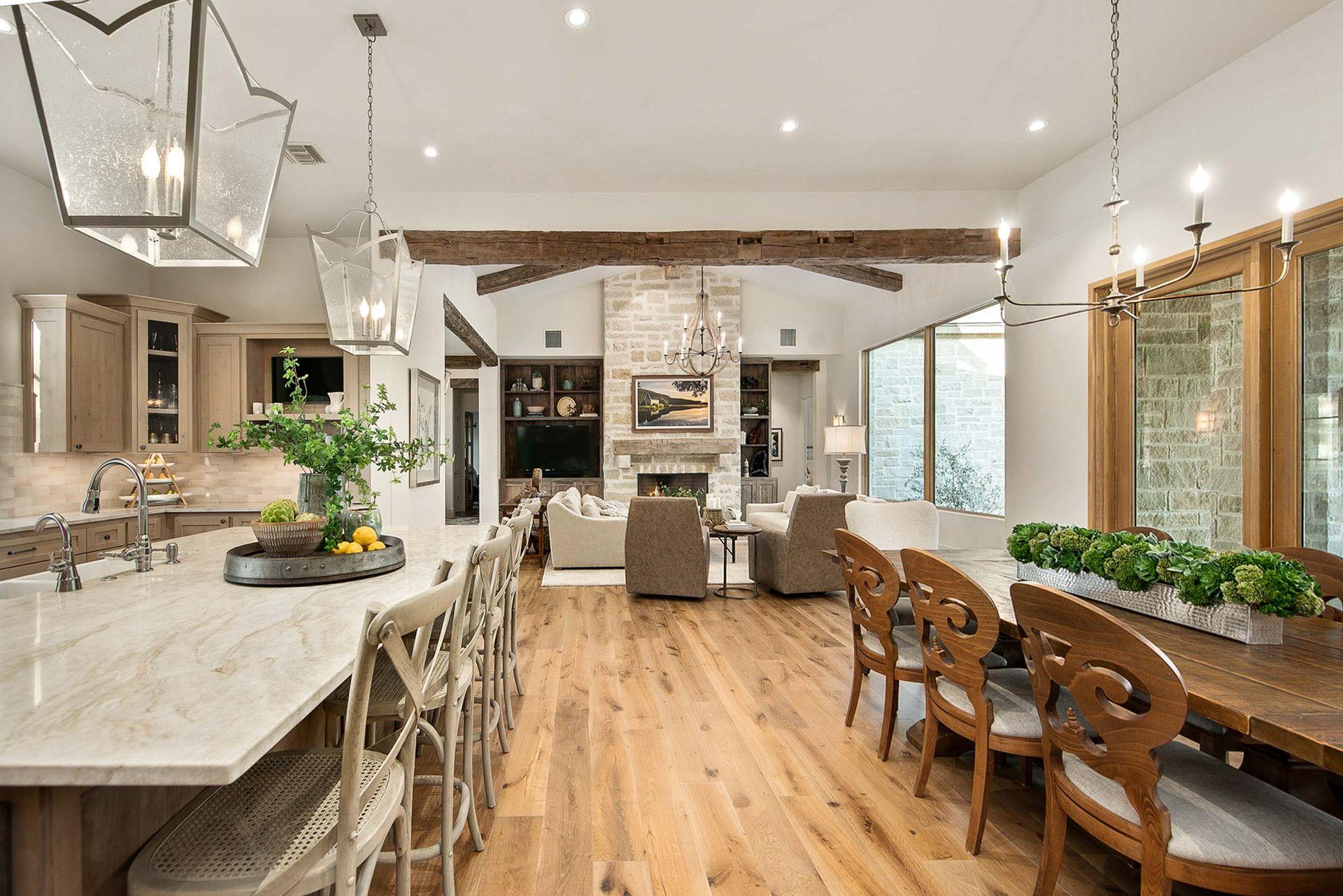
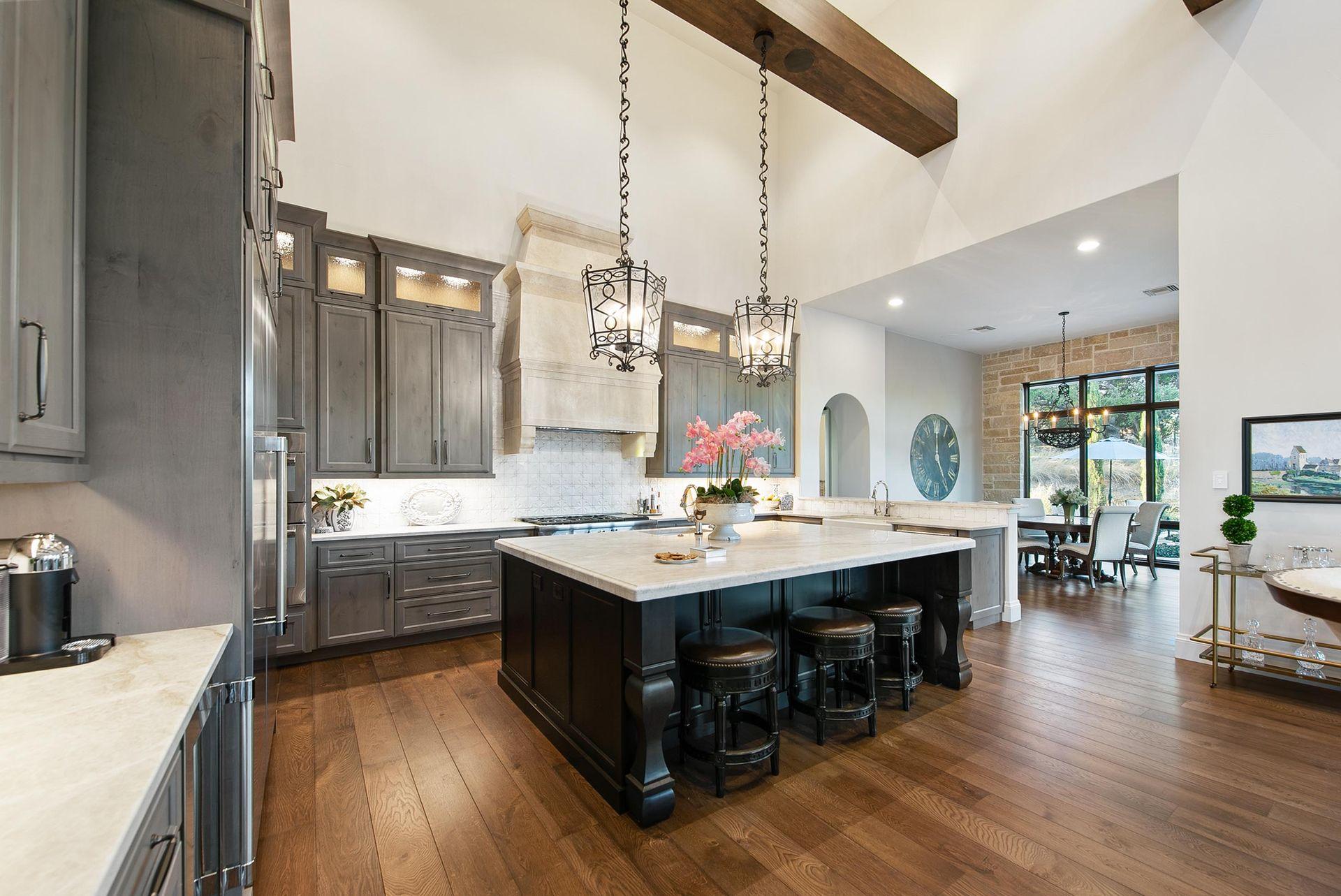
Disclaimer: All images shown in this blog are of high quality engineered wood flooring manufactured in the USA.
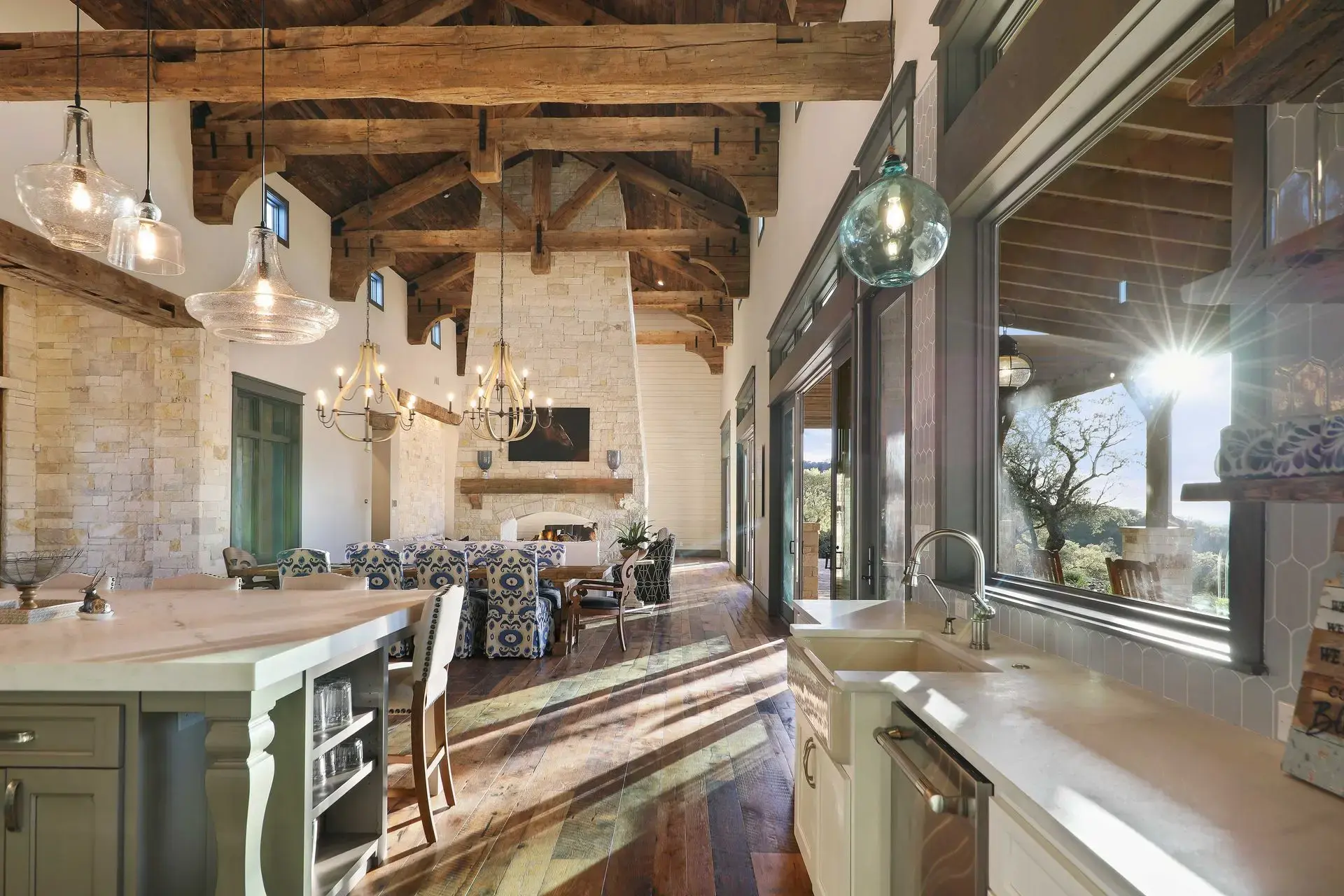
Laminate vs engineered hardwood: Which is right for your project?
Laminate flooring is typically the right fit if:
- The project is budget-led
- Installation speed and simplicity are priorities
- The space is expected to see shorter-term use or future replacement
Engineered wood flooring is more appropriate if:
- The floor is a long-term part of the design
- Material authenticity and natural variation matter
- The space will see consistent, everyday use
For projects where long-term value is a priority, engineered hardwood is generally the stronger option.
Its ability to be maintained and, in many cases, refinished changes how it performs over time. For commercial spaces where durability and consistency are critical, explore our engineered wood flooring collections.

Key differences at a glance
Feature | Laminate Flooring | Engineered Flooring |
Surface | Printed wood image | Real wood surface |
Cost | Lower upfront | Higher upfront |
Scratch resistance | Strong surface protection | Depends on finish |
Refinishing | Not possible | Possible (depending on wear layer) |
Moisture response | Surface resistant, vulnerable at seams | More stable, still moisture-sensitive |
Installation | Click-lock, floating | Floating, glue-down, or nail-down |
Lifespan | 10–20 years | 20–30+ years |
Key Differences in Construction and Performance
Laminate and engineered wood may appear similar, but they’re built in very different ways, and that difference defines how they perform over time.
Let’s take a closer look at how the two materials compare.
What is Laminate Flooring?
Laminate flooring is built from a compressed fiberboard core, topped with a printed image layer designed to replicate wood, and finished with a protective wear layer.
That wear layer is typically resin-based and designed to resist scratches and surface wear. It’s what gives laminate its durability in high-traffic environments.
Because the surface is printed, the visual is consistent across boards. Advances in manufacturing have improved texture and realism, but the pattern itself is repeated rather than naturally varied.
Laminate is often installed as a floating floor using interlocking boards, which allows it to be fitted quickly without fixing directly to the subfloor.
What is Engineered Wood Flooring?
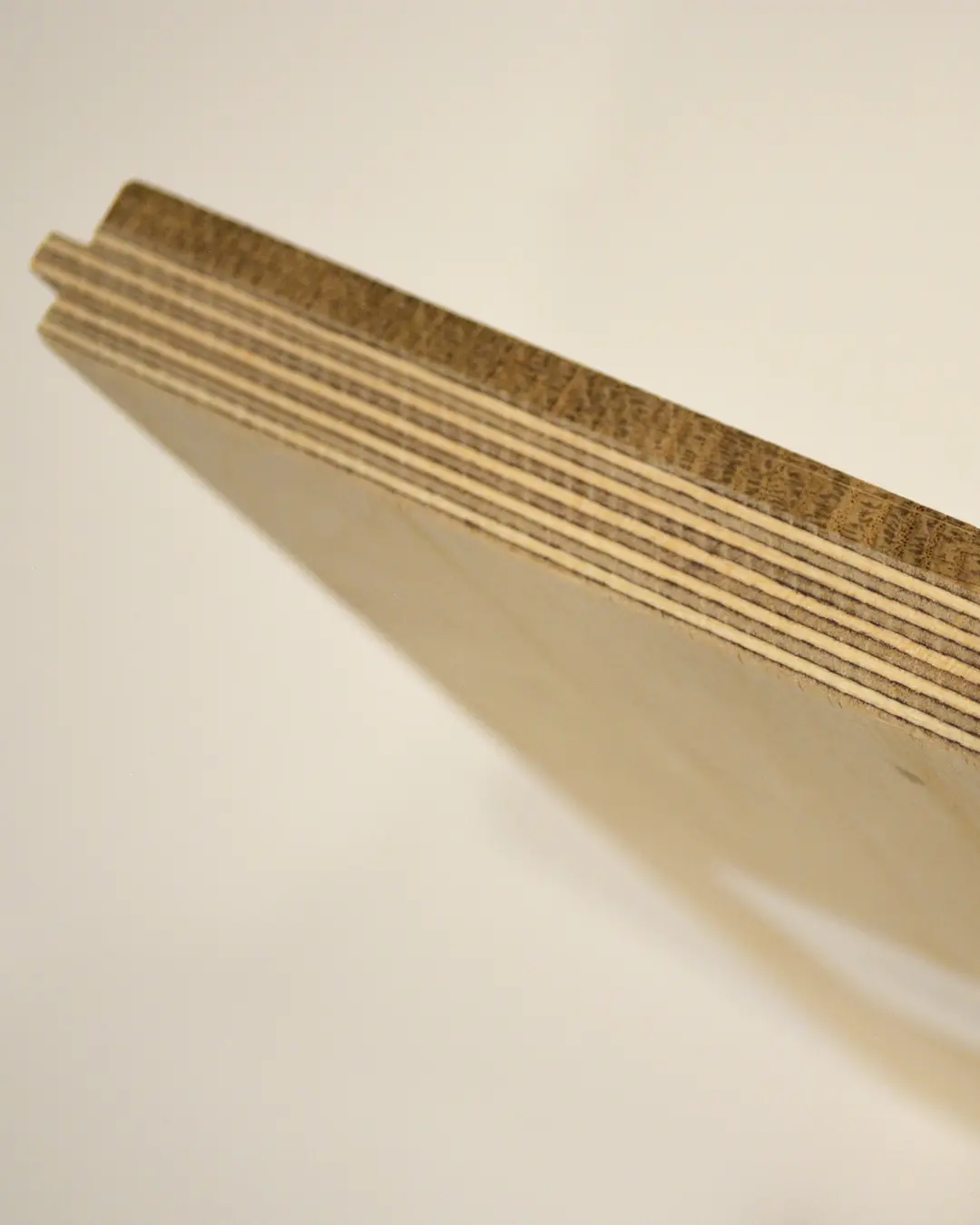
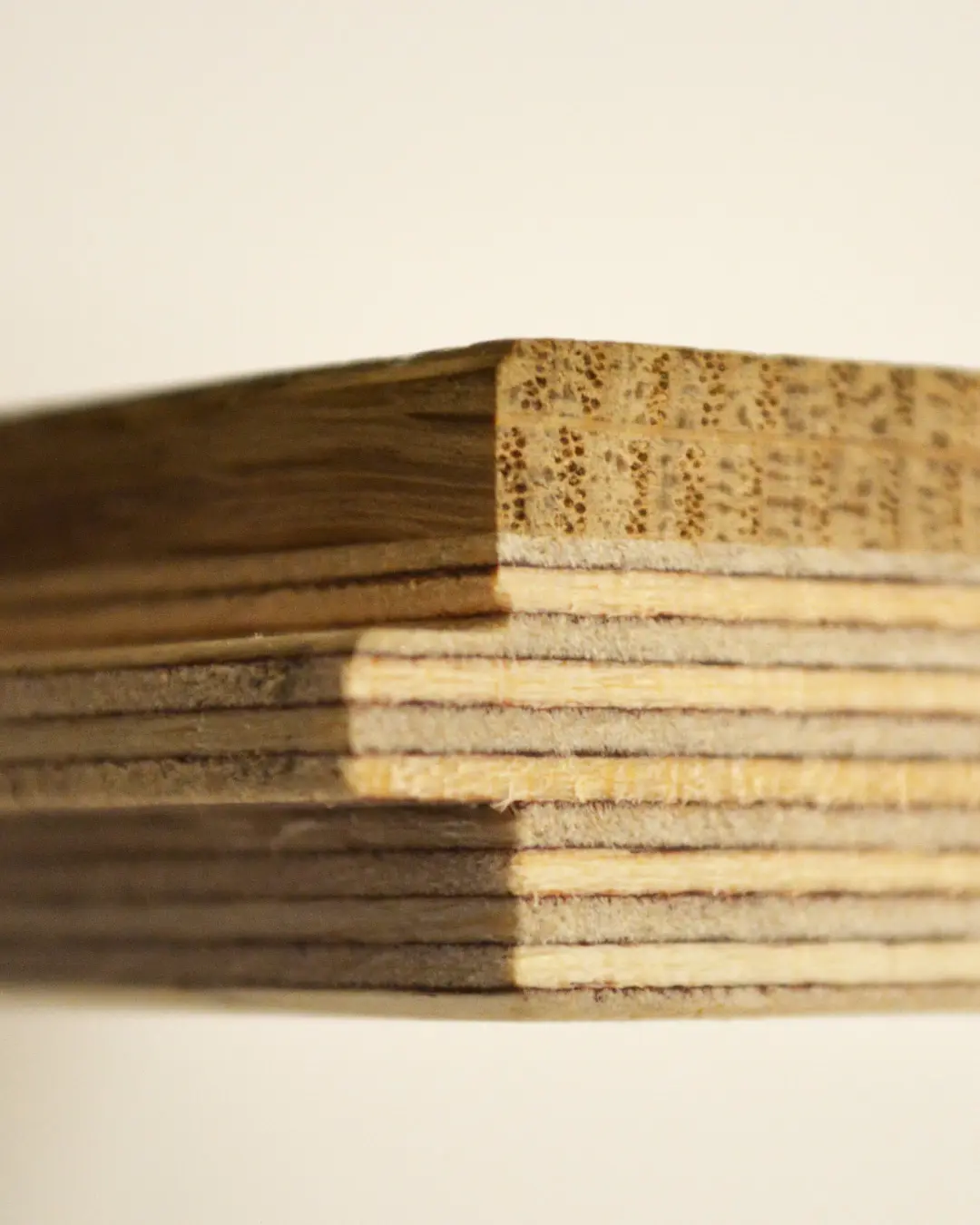
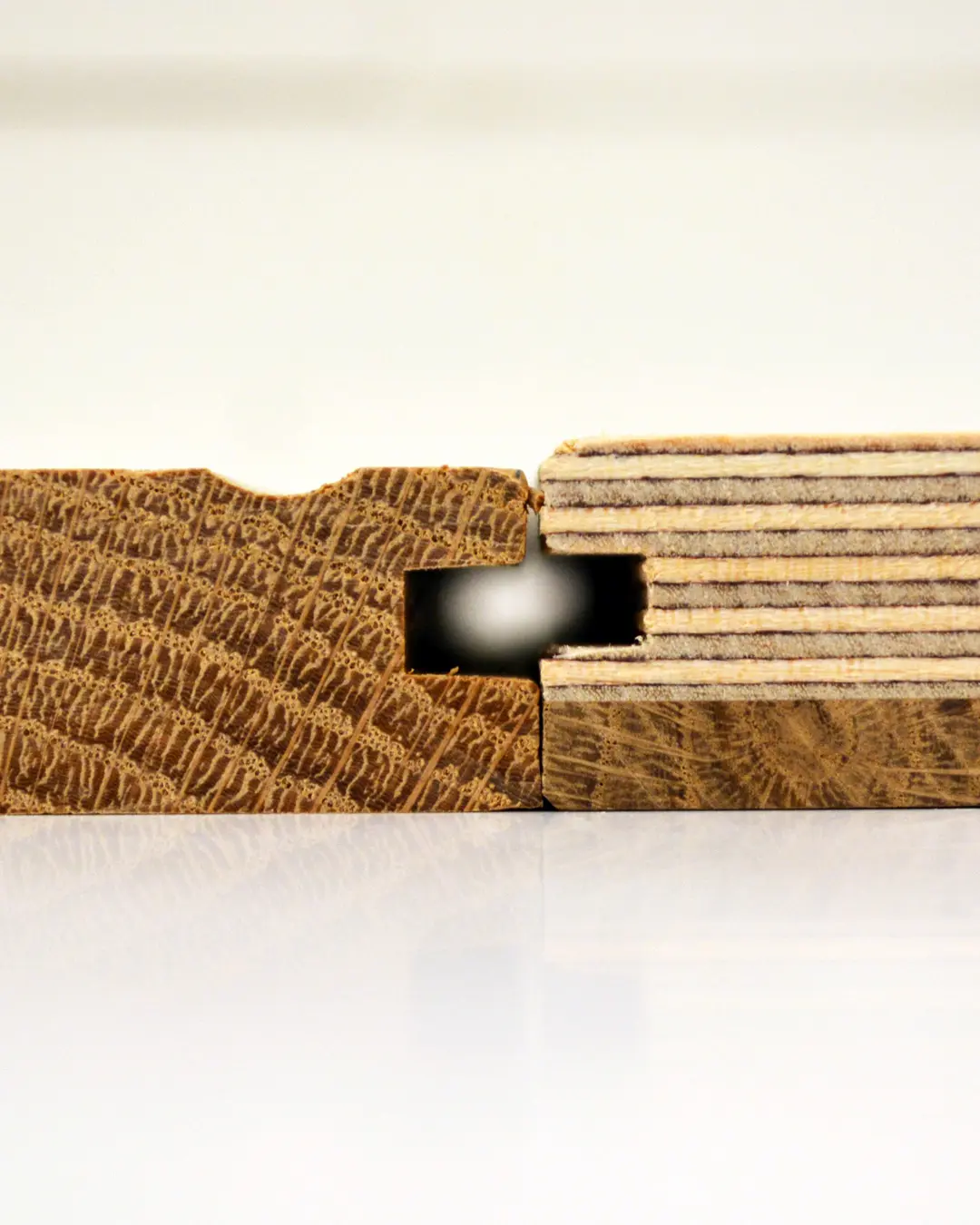
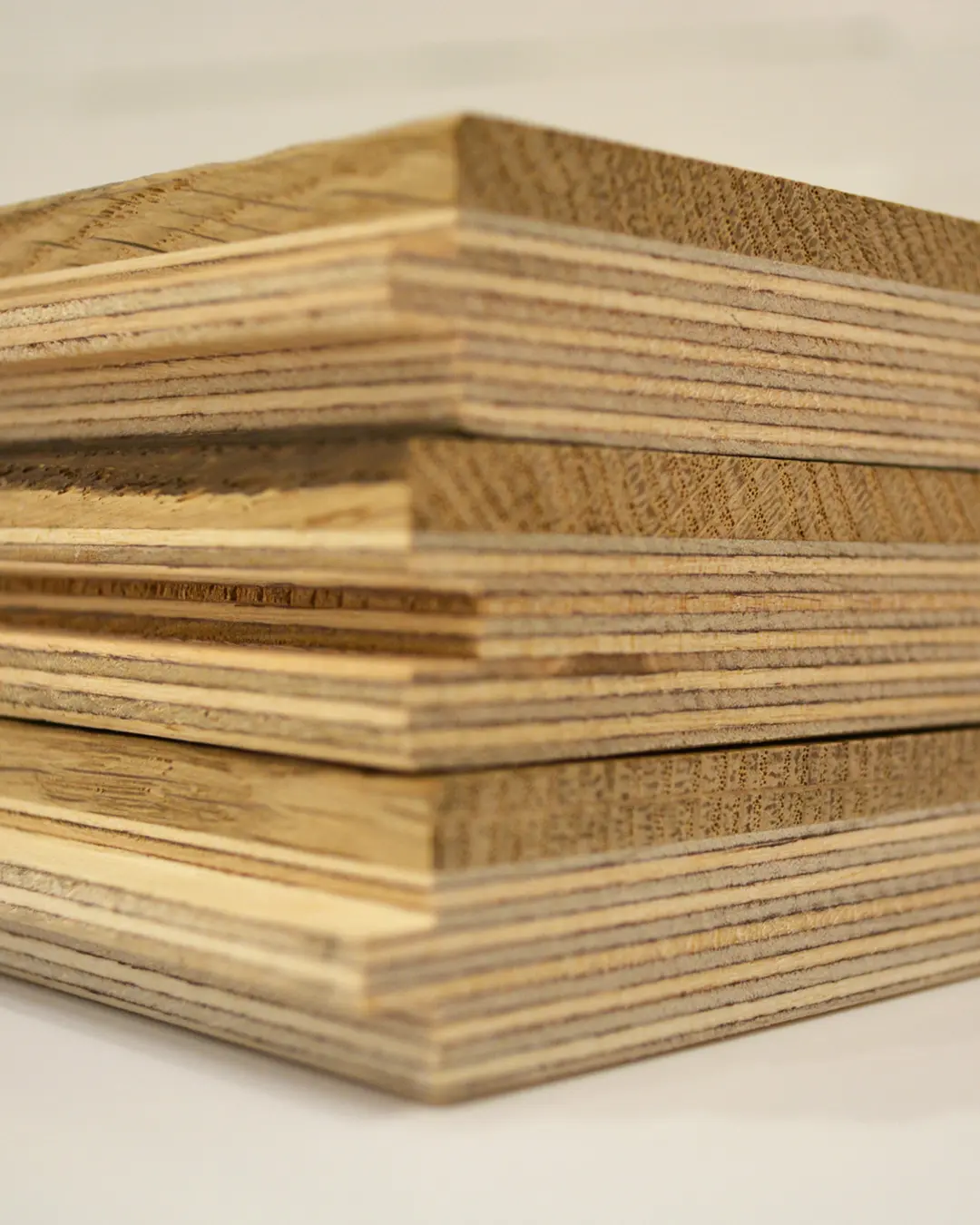
Engineered wood flooring uses a layered construction, with a real wood surface bonded to a plywood core.
The top layer (known as the lamella) is what defines both the appearance and the lifespan of the floor. Because it’s genuine wood, each board carries natural variation in grain and tone. That variation will also depend on the species selected, with options like red oak and white oak offering different grain patterns, color, and hardness.
Beneath that surface, the layered core improves stability, helping the floor perform more consistently in environments where temperature and humidity fluctuate.
For a closer look at how WoodCo flooring is produced – from raw material through to finished boards – you can explore WoodCo’s forest to floor process.
Cost
Laminate flooring is generally more accessible from a cost perspective, both in terms of material and installation.
Engineered wood sits higher, with cost influenced by the species, finish, and thickness of the wear layer. While the upfront investment is greater, it reflects the use of real wood and a more complex construction.
Durability
Laminate performs well at the surface level. Its protective wear layer helps resist scratches and general wear, particularly in busy areas.
Engineered wood behaves differently. Because the surface is genuine wood, it is more susceptible to marks and wear over time, especially in high-use areas. That resistance will vary depending on the species used, which is typically measured using the Janka hardness scale.
The difference is in how each material responds over time. While laminate relies on its surface layer, engineered wood can often be restored, depending on the thickness of the wear layer.

Moisture and Environmental Conditions
Both materials perform better than solid wood in terms of stability, but neither is designed for consistently wet environments.
Laminate resists moisture on the surface, but water can penetrate through joints and affect the core.
Engineered wood is more dimensionally stable due to its layered construction, making it better suited to environments where humidity fluctuates. That said, it remains a wood product and will still react to moisture if exposed over time.
Installation
Laminate is typically installed as a floating floor using a click-lock system, making it quicker and more straightforward to fit.
Engineered wood offers more flexibility. It can be floated, glued, or fixed depending on the subfloor and the requirements of the project. This makes it more adaptable in complex builds, particularly where subfloor conditions vary.
Maintenance
Both materials are relatively straightforward to maintain with regular cleaning.
Laminate requires minimal upkeep but cannot be repaired once damaged.
Engineered wood requires a little more care, particularly around moisture, but offers the advantage of being maintainable over time, including the possibility of refinishing.
Which is better for US homes?
Across the US, flooring is installed over a range of subfloors – from concrete slabs to timber structures – and often across environments where temperature and humidity shift throughout the year.
In states like Texas, those shifts can be more pronounced. Heat, humidity, and large open-plan layouts all place additional demands on how a floor performs once installed.
Engineered wood is generally better suited to these conditions. Its layered construction allows it to remain more stable where moisture levels fluctuate, particularly when used in wider boards or across larger spaces.
Laminate can still perform well in more controlled environments and is often selected where installation speed and cost are priorities. However, in projects where the floor is expected to remain in place long-term and respond well to changing conditions, engineered wood tends to be the more consistent choice.
Making the right choice
Laminate and engineered wood flooring serve different purposes, and both have a place depending on the demands of the project.
Laminate offers a practical solution where cost, speed, and surface durability are the priority. It performs well in the short to medium term, particularly in spaces where replacement is expected over time.
Engineered wood is typically selected where the floor is expected to remain in place – where material, proportion, and long-term performance matter. Its construction allows it to respond more consistently to its environment and, in many cases, to be maintained rather than replaced.
At WoodCo, we work with wood flooring across a wide range of residential and commercial projects, where those differences play out in real conditions. If you’re weighing up options, we’re here to help you find the right fit for your project. Get in touch to start the conversation.
FAQs: Engineered Hardwood vs Laminate Flooring
– Is engineered wood flooring real wood?
Yes. Engineered wood flooring has a surface layer made from genuine wood. This top layer (often referred to as the lamella) defines the appearance of the floor, including its grain, tone, and natural variation.
– Is laminate flooring waterproof?
No. Laminate flooring is resistant to moisture on the surface, but it is not waterproof. If water reaches the joints or penetrates the core, it can cause swelling or damage over time. Spills should be cleaned promptly, and laminate is generally not recommended for areas with consistent moisture exposure.
– Which option is more expensive long term?
Laminate typically has a lower upfront cost, but it cannot be refinished. Once the surface is worn or damaged, replacement is usually required.
Engineered wood requires a higher initial investment, but depending on the wear layer, it can often be maintained or refinished. Over time, this can extend the lifespan of the floor and reduce the need for full replacement.
– Can engineered wood flooring be refinished?
In many cases, yes. The ability to refinish depends on the thickness of the wear layer. Some engineered floors allow for one or more sanding cycles, while others may not be suitable for refinishing at all.
It’s important to check the specifications of the product before installation.
– Is laminate or engineered wood better for high-traffic areas?
Laminate performs well in high-traffic areas in the short term due to its scratch-resistant surface.
Engineered wood may show surface wear more readily, but it offers the advantage of being maintained or refinished over time, depending on the product.
– Which flooring is better for long-term use?
For long-term applications, engineered wood is generally the more suitable option. Its construction allows it to respond more consistently to its environment, and in many cases, it can be maintained or refinished rather than replaced.
Laminate is often better suited to projects where shorter-term use or easier replacement is expected.